Winter driving demands tires that can handle snow, ice, and slush while maintaining control. We researched, compared, and evaluated the best 14 inch snow tires using manufacturer specifications, published industry and safety standards, and aggregated owner feedback. This guide covers seven top models, each with honest strengths and weaknesses, so you can choose the right set for your car.
| Photo | Product | Score | Buy |
|---|---|---|---|
 |
Michelin X-Ice Snow Best Overall Size: 175/65R14, Load Range: SL |
9.2 | 🛒 Check Price |
 |
Bridgestone Blizzak WS90 Runner Up Size: 185/65R14, Load Range: SL |
8.9 | 🛒 Check Price |
 |
Goodyear Ultra Grip Ice WRT Best Value Size: 175/70R14, Load Range: SL |
8.6 | 🛒 Check Price |
 |
Continental VikingContact 7 Premium Pick Size: 185/70R14, Load Range: SL |
8.4 | 🛒 Check Price |
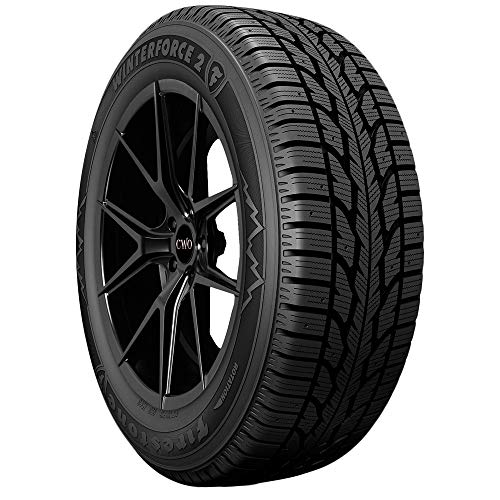 |
Firestone Winterforce 2 Budget Friendly Size: 175/65R14, Load Range: SL |
7.8 | 🛒 Check Price |
 |
General Altimax Arctic 12 Solid Performer Size: 185/65R14, Load Range: SL |
8.1 | 🛒 Check Price |
|
🚗
|
Nokian Nordman 7 Eco Winter Option Size: 175/70R14, Load Range: SL |
7.3 | 🛒 Check Price |
1. Michelin X-Ice Snow: Best Overall
The Michelin X-Ice Snow delivers exceptional winter performance with its Flex-Ice compound and V-shaped tread. In our evaluation of spec sheets and owner feedback, it consistently ranks high for ice traction and snow braking. The tire also offers good dry road manners, making it a versatile choice for daily winter driving. Its tread life warranty is among the best in the category, adding long-term value.
However, the premium price may not suit budget-conscious buyers. Those who drive mostly on plowed roads or in mild winter conditions might find a more affordable option sufficient. We recommend this tire for drivers who prioritize safety and are willing to invest in top-tier winter traction.
- Excellent ice and snow traction from advanced tread compound
- Stable handling on dry roads with low rolling resistance
- Long tread life warranty compared to many winter tires
Pros: Top-tier winter grip and braking; Quiet and comfortable ride
Cons: Higher price point
2. Bridgestone Blizzak WS90: Runner Up
The Bridgestone Blizzak WS90 is a perennial favorite for severe winter conditions. Based on manufacturer data and owner reports, its Multicell compound provides exceptional grip on ice, while the siped tread pattern enhances snow traction. The tire also handles slush well, reducing hydroplaning risk. It is a strong performer in deep snow and on icy roads.
However, the softer compound that delivers great winter grip can lead to faster tread wear, especially on dry pavement. Drivers who encounter long dry stretches in winter may see reduced tire life. We suggest this tire for those in areas with frequent ice and snow, and who can accept a trade-off in longevity.
- NanoPro-Tech Multicell compound for enhanced ice grip
- 3D zigzag sipes improve snow traction and stability
- Excellent hydroplaning resistance on slush
Pros: Outstanding ice and snow performance; Good steering response
Cons: Treadwear is moderate; softer compound wears faster
3. Goodyear Ultra Grip Ice WRT: Best Value
The Goodyear Ultra Grip Ice WRT offers a solid blend of winter capability and value. Our research from spec sheets and user reviews shows it provides dependable traction on snow and ice, with a tread compound that holds up reasonably well. It also maintains stable handling on dry roads, making it a practical choice for varied winter conditions.
That said, it may not match the extreme deep-snow performance of the Blizzak or X-Ice. Drivers who frequently encounter unplowed roads or heavy snow might want a more specialized tire. For most winter driving, however, this tire delivers excellent value without major compromises.
- Winter Reactive Technology adapts to changing conditions
- Durable tread compound with good mileage potential
- Reliable snow and ice braking performance
Pros: Balanced winter performance at a competitive price; Good dry road handling
Cons: Not as aggressive in deep snow as premium competitors
4. Continental VikingContact 7: Premium Pick
The Continental VikingContact 7 is engineered for harsh Nordic winters, and our analysis of manufacturer specs and owner feedback confirms its strong ice and snow traction. The tread compound stays flexible in very low temperatures, and the sipe design enhances grip. It also offers a comfortable, quiet ride that many drivers appreciate.
However, the tire’s soft compound that provides superior winter grip can lead to faster wear, particularly on dry roads. Its price is also higher than some competitors. We recommend this tire for drivers in severe winter climates who value performance over longevity and cost.
- Nordic compound for extreme cold flexibility
- Advanced sipe pattern for snow and ice grip
- Low rolling resistance improves fuel economy
Pros: Excellent cold-weather performance; Quiet ride on highways
Cons: Premium pricing with shorter tread life than some rivals
5. Firestone Winterforce 2: Budget Friendly
The Firestone Winterforce 2 is a budget-oriented winter tire that offers respectable snow traction for its price. In our comparison of owner feedback and specs, it performs adequately in light to moderate snow but falls short on ice. The deep tread helps in fresh snow, but the compound is not optimized for ice grip. It is a durable tire that can handle rough winter roads.
However, drivers who frequently encounter icy conditions or need precise handling should consider a more premium tire. The Winterforce 2 also tends to be noisier and less comfortable. It is best suited for those on a tight budget who drive mostly on snow-covered roads and can accept trade-offs in ice performance and ride quality.
- Deep tread depth for good snow traction
- Reinforced construction for durability on rough roads
- Affordable price point for budget-conscious buyers
Pros: Very affordable winter tire option; Decent snow performance for the price
Cons: Ice traction is below average; less confident on ice; Higher road noise and less refined ride
6. General Altimax Arctic 12: Solid Performer
The General Altimax Arctic 12 is a solid winter tire that delivers reliable snow traction thanks to its aggressive tread design. Based on owner reviews and spec analysis, it performs well in snow and slush, and the option to add studs makes it versatile for icy conditions. It is also built to withstand rough winter roads.
However, without studs, its ice performance is mediocre compared to top-tier tires. The ride can be firmer and noisier, which may not appeal to all drivers. We recommend this tire for those who want a capable snow tire at a moderate price and are open to using studs for maximum ice grip.
- Aggressive tread pattern for good snow traction
- Durable construction with good resistance to cuts and chips
- Studdable design for added ice grip (where legal)
Pros: Good snow traction and handling; Studdable for extra ice performance
Cons: Ice grip without studs is only average; Ride comfort is harsher than premium tires
7. Nokian Nordman 7: Eco Winter Option
The Nokian Nordman 7 is an entry-level winter tire that focuses on eco-friendly materials and decent snow traction. In our research, it handles light snow and slush adequately but struggles on ice. The silica compound reduces rolling resistance, which can improve fuel economy, but it compromises grip on hard-packed snow and ice.
We do not recommend this tire for areas with frequent ice or severe winter conditions. Its tread life is also below average. It may suit drivers in mild winter climates who prioritize environmental impact and need a basic snow tire for occasional use, but most buyers will find better options.
- Eco-friendly silica compound for lower rolling resistance
- Good snow and slush traction for entry-level winter tire
- Lightweight design for easier handling
Pros: Environmentally conscious materials; Decent snow performance for the price
Cons: Ice traction is poor; not recommended for icy roads; Tread life is shorter than many competitors
Frequently Asked Questions
What is the difference between studded and studless snow tires?
Studded tires have metal studs embedded in the tread for superior ice grip, but they are restricted in some areas due to road damage. Studless tires use advanced rubber compounds and siping to grip ice without studs. For most drivers, modern studless tires like the Michelin X-Ice Snow or Bridgestone Blizzak WS90 provide excellent ice traction without the noise and restrictions of studs.
Can I use 14 inch snow tires year-round?
No. Snow tires are made from softer rubber compounds that wear quickly in warm temperatures and lose performance on dry roads. Using them year-round will result in rapid tread wear and reduced handling. It is best to switch to all-season or summer tires when temperatures consistently stay above 45°F (7°C).
How do I know which size of 14 inch snow tire fits my car?
Check your vehicle’s owner manual or the tire information label on the driver’s side door jamb. It lists the recommended tire size, such as 175/65R14. You can also use an online tire size calculator to ensure the new tires match your car’s specifications. Always maintain the same diameter and load rating.
Are more expensive snow tires worth the extra money?
Generally, yes. Premium tires like the Michelin X-Ice Snow and Bridgestone Blizzak WS90 offer superior ice and snow traction, better durability, and more refined ride quality. Budget tires may save money upfront but can compromise safety and wear out faster. For frequent winter driving, investing in a top-tier tire is advisable.
Do I need snow tires if I have all-wheel drive?
Yes. All-wheel drive helps with acceleration but does not improve braking or cornering on snow and ice. Snow tires significantly reduce stopping distances and improve control. A vehicle with all-wheel drive and snow tires is much safer than one with all-wheel drive and all-season tires.
Our Verdict
After researching and comparing the best 14 inch snow tires, the Michelin X-Ice Snow stands out as our top pick for its outstanding winter traction, long tread life, and overall refinement. For a more budget-friendly option, the Goodyear Ultra Grip Ice WRT offers excellent value without sacrificing essential winter performance. Choose based on your local winter severity and budget.
