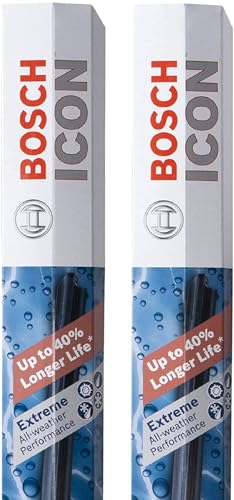
If you want the short answer first: beam blades are usually the better all-round choice for most modern drivers, because their bracketless frame presses evenly across the glass and resists ice buildup, while conventional bracket blades remain a budget-friendly option that works fine in mild climates. The right pick really depends on your weather, your vehicle, and how much you want to spend. Choosing a beam blade can simplify winter driving for many owners.
Both styles clear rain, but they do it differently. This guide breaks down the strengths and weaknesses of each design, points out who each one suits, and flags the common errors drivers make when shopping for replacements. By the end you should know which blade type fits your daily conditions and how to avoid wasting money on the wrong set.
Conventional bracket blades: pros and cons
Conventional blades, sometimes called bracket or frame blades, use a metal or plastic skeleton with several pivot points that hold the rubber strip against the windshield. This classic design has powered cars for decades, so it is widely stocked and easy to find for almost any make and model. The price tends to be lower, which makes these blades attractive when you simply need a quick, affordable swap.
The downside shows up in tough weather. Those open brackets can trap snow and ice, and clogged joints lift the rubber away from the glass, leaving streaks. The multiple contact points also distribute pressure unevenly, so older or larger windshields can develop missed patches. At highway speeds the exposed frame may catch wind, causing chatter or slight lifting. For mild climates and lighter use, though, a quality bracket blade still does a dependable job.
Beam (bracketless) blades: pros and cons
Beam blades, also known as bracketless or flat blades, replace the exposed skeleton with a single curved spring built into the body of the blade. That spring applies steady tension along the entire length of the rubber, so the blade hugs curved windshields more consistently. With no open joints to fill, snow and slush cannot collect inside the frame, which is a real advantage in cold regions.
The sleek, low-profile shape also handles wind better. Air flows over the blade instead of catching brackets, which reduces lifting and noise on the motorway. Many beam blades come with an aerodynamic spoiler that presses them down harder at speed. The trade-offs are a higher cost and the fact that some very flat or oddly shaped windshields can be fussy about fitment. For most drivers, the smoother, quieter wipe is worth it.
Which to choose, and blades to consider
Match the blade to your conditions. If you live in a region with regular snow, freezing rain, or strong crosswinds, a beam blade is the smarter pick because it stays clean and keeps even contact when the weather turns nasty. If your climate is mild and you mostly want a low-cost replacement that gets the job done, a conventional bracket blade is perfectly reasonable. Drivers who do a lot of fast motorway miles also benefit from the quieter beam design.
When you shop, look for blades that fit your exact wiper arm and length, use a durable rubber or silicone edge, and carry strong owner feedback for streak-free wiping. Hybrid blades sit between the two styles if you want a middle ground. For curated picks and current options across both designs, the best best windshield wipers roundup is a helpful starting point before you buy.
Mistakes to avoid
- Buying on price alone and ignoring whether the blade suits your climate and windshield shape.
- Picking the wrong length or connector, which leaves gaps or stops the blade from clipping on securely.
- Replacing only one blade so the two sides wear unevenly and clear at different rates.
- Forgetting to lift and clean the rubber edge regularly, letting grit and old wax cause streaks.
- Running blades long past their useful life until cracked rubber chatters and smears the glass.
- Assuming every beam blade fits perfectly; always confirm the adapter works with your arm.
Bottom line
Beam blades win on even pressure, cold-weather resistance, and quiet high-speed performance, which makes them the better default for most modern vehicles and harsher climates. Conventional bracket blades stay relevant thanks to their lower cost and broad availability, and they remain a solid choice in gentle conditions or for tight budgets.
Think about how and in what conditions you drive, then match the design to those realities rather than grabbing whatever is cheapest on the shelf. Either way, fit the correct size, replace blades in pairs, and swap them before the rubber hardens. Do that, and your view stays clear no matter which style you choose.
Frequently Asked Questions
Are beam wiper blades better than conventional ones?
For most drivers, yes. Beam blades apply more even pressure across curved glass and resist ice and snow buildup, so they tend to wipe cleaner and last well in tough weather. Conventional blades still perform fine in mild climates and cost less, so better depends on your conditions and budget.
Do beam blades fit every car?
Most cars can use beam blades thanks to included adapters, but some very flat or unusually shaped windshields are picky about fitment. Always check the correct length for each arm and confirm the connector matches your wiper arm before buying.
How often should I replace wiper blades?
A common guideline is every six to twelve months, or sooner if you notice streaking, skipping, chatter, or cracked rubber. Heat, sun, and grit wear the edge over time, so inspect the blades regularly and replace both sides together for even results.
The Bottom Line
In the end, both designs clear your windshield, but beam blades give most drivers a smoother, quieter, more reliable wipe in demanding weather, while conventional blades remain a budget-friendly fallback for mild conditions. Choose based on your climate, your windshield, and your driving habits, then fit the correct size and replace in pairs. Picking the right blades keeps your view clear and your drives safer all year long.
Related Guides
- 7 Best Windshield Wiper Blade Options (Researched and Compared)
- 7 Best Wiper Blade Refills (Researched and Compared)
- 7 Best Windshield Wipers for Jeep Grand Cherokee (Researched and Compared)
- 7 Best Windshield Wipers for Value (Researched and Compared)
- 7 Best Silicone Wiper Blades (Researched and Compared)
- Best Wiper Blades for Heavy Rain
