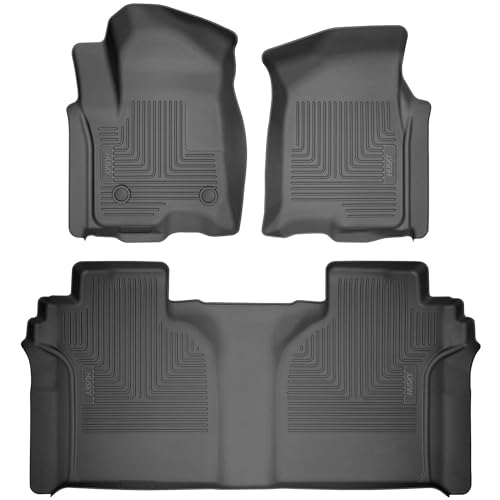
Choosing floor mats sounds simple until you stand in the store staring at rugged rubber trays next to soft plush carpet. Both protect your car, yet they do it in very different ways. All weather mats are built to shrug off mud, slush, and spills, while carpet mats lean into a soft, factory-matched look that feels closer to the original interior.
This guide breaks down how each type performs in real driving life, how they handle different climates, what cleaning each one takes, and which one fits your habits best. By the end you will know exactly which style belongs in your cabin, and where to find the strongest options for your needs.
What Sets All Weather Mats Apart
All weather mats are usually molded from rubber or TPE (thermoplastic elastomer). They are designed as deep trays with raised edges and channels that catch water, snow, mud, and grit before any of it reaches your carpet. The whole point is containment, so a wet boot or a melting pile of snow stays trapped in the mat instead of soaking into the floor below.
Because the material is waterproof and tough, these mats handle heavy abuse without complaint. They resist road salt, stand up to sharp grit, and keep their shape through hot summers and freezing winters. For drivers who haul gear, kids, pets, or work boots, the durability and easy cleanup make them a practical workhorse. You can see strong picks in this roundup of the best all weather floor mats.
What Carpet Mats Bring to the Cabin
Carpet mats are the type most cars ship with from the factory. They are made from woven or tufted fibers, often with a nibbed or rubberized backing to grip the floor. Their biggest strength is appearance and feel. They blend seamlessly with the interior, match the upholstery, and give the cabin a finished, premium look that rubber trays cannot replicate.
On top of looks, carpet mats are quieter and softer underfoot. They dampen road noise slightly and feel warmer and more comfortable, especially in cold weather when rubber can feel stiff. The tradeoff is that fibers absorb whatever lands on them. Water soaks in, mud works deep, and stains can set if spills are not cleaned quickly. They reward a tidy owner and punish a messy one.
Climate and Use: Matching Mats to Your Driving
Climate is the single biggest factor in this choice. If you live where it rains hard, snows often, or where roads turn to slush and salt for months, all weather mats are the clear pick. They contain the mess, dry instantly with a wipe, and protect the floor from corrosion and rot that wet carpet can cause over time.
If you drive mostly in dry, mild conditions and rarely track in water or grit, carpet mats hold up fine and keep the cabin looking sharp. Use matters too. A daily commuter with clean shoes leans toward carpet, while anyone carrying pets, sports gear, tools, or muddy kids leans toward rubber. Many drivers run both, swapping all weather mats in for winter and carpet for the dry season.
Cleaning and Maintenance Compared
Cleaning is where all weather mats win on convenience. Pull them out, shake off the loose debris, and hose or rinse them down. A quick scrub with mild soap clears stubborn grime, and they dry in minutes. There is no soaking, no waiting, and no worry about trapped moisture growing odors underneath.
Carpet mats take more effort. Light dirt vacuums out easily, but mud and stains need spot cleaning, fabric cleaner, and time to dry fully before they go back in. Wet carpet left in place can trap moisture and create musty smells, so they demand more attention. If low maintenance is your priority, rubber is the easier daily companion, while carpet rewards owners who do not mind a bit of upkeep.
Cost, Fit, and Long Term Value
Both styles come in universal and custom-fit versions. Custom-fit mats, molded to the exact floor pan of your model, give the best coverage and the cleanest look in either material. Universal mats are more flexible across vehicles but may leave small gaps that let dirt slip past the edges. Whichever route you take, fit matters more than most buyers expect, because a poorly fitted mat protects only part of the floor.
For long term value, all weather mats typically last longer under heavy use because the material resists wear, tearing, and staining far better than fabric. Carpet mats can look worn or stained sooner in a busy cabin, though they stay attractive for years in a gentle, dry environment. To compare both styles across vehicles and needs, browse this guide to the best car floor mats.
Frequently Asked Questions
Can I use all weather mats and carpet mats at the same time?
Not stacked together, but many drivers keep both sets and swap them by season. All weather mats go in for wet or snowy months to protect the floor, then carpet mats return for the dry season to restore the soft, factory look. Just make sure only one set is in place at a time so they sit flat and grip the floor properly.
Do all weather mats damage the original carpet underneath?
No. When fitted correctly, they protect the original carpet by trapping water, mud, and salt that would otherwise soak in. The key is making sure the mat sits flat and does not trap moisture beneath it. Lift them out occasionally to let the floor breathe, and the carpet underneath stays clean and dry.
Which type is better for resale value?
Keeping the original carpet clean helps resale, and that argues for all weather mats during heavy-use years to shield the floor from wear. Many owners run rubber daily, then drop in fresh carpet mats before selling for a clean, premium presentation. Protecting the factory floor matters more than the mats themselves.
The Bottom Line
There is no single winner here, only the right fit for how you drive. All weather mats are the practical choice for wet climates, messy cargo, pets, and anyone who values quick cleanup and long term durability. Carpet mats are the better match for dry conditions and drivers who want the softest feel and the most refined, factory look in the cabin.
For most people the smartest move is owning both and rotating them with the seasons. That way you get rugged protection when the weather turns and a clean, comfortable interior when it does not. Match the mat to your climate and habits, fit it properly, and your floor stays protected for years.
Related Guides
- 7 Best Floor Mats for Honda Ridgeline in 2026 (Researched and Compared)
- 7 Best Floor Mats for Jeep Wrangler in 2026 (Researched and Compared)
- 7 Best Floor Mats for Jeep Wrangler JK (Researched and Compared)
- 7 Best Universal Floor Mats for Car (Researched and Compared)
- 7 Best Weather Floor Mats for Cars, Trucks, and SUVs (Researched and Compared)
- 7 Best All Weather Floor Liners (Researched and Compared)
Last reviewed: June 14, 2026.
