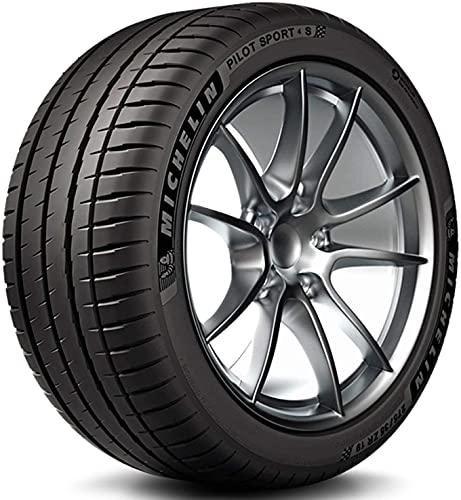
When it comes to selecting tires for heavy-duty applications, trucks, or trailers, terms like ’10 ply’ and ‘Load Range E’ are frequently used, often interchangeably. However, the exact meaning and implications of these designations can be a source of confusion for many vehicle owners. Understanding the difference, and more importantly, what each term truly signifies for your vehicle’s capabilities and safety, is crucial for making an informed decision.
This comprehensive guide will demystify the concepts of ply ratings and load ranges, explain the modern significance of Load Range E, and help you determine when these robust tires are not just an option, but a necessity for your specific needs. We’ll delve into their construction, performance characteristics, and the critical role they play in ensuring safe and efficient hauling.
The Evolution of Tire Strength: From Ply Count to Load Range
Historically, a tire’s strength and load-carrying capacity were directly indicated by its ‘ply rating’ – a literal count of the cotton fabric layers (plies) used in its construction. A higher ply count meant a stronger tire capable of handling more weight. As tire technology advanced, manufacturers began using stronger synthetic materials like nylon, rayon, and polyester, meaning fewer plies could achieve the same or greater strength.
To maintain a consistent standard for comparing tire strength despite varying construction methods, the tire industry, primarily through organizations like The Tire and Rim Association (TRA) in the U.S., developed the ‘Load Range’ system. This system standardized tire strength and maximum inflation pressure requirements. Instead of literal plies, ‘ply rating’ became an index indicating the tire’s strength equivalence to older, cotton-ply tires. For instance, a modern tire might be designated ’10 Ply Rated’ even if it only has two or three actual plies of advanced material.
What Does "10 Ply" Really Mean Today?
In contemporary tire terminology, when someone refers to a “10 ply” tire, they are almost invariably referring to a tire with a “10 ply rating.” This is an index of its strength and load capacity, not a literal count of plies. For light truck (LT) tires, a 10-ply rating is generally equivalent to a Load Range E designation. This means the tire is constructed to handle significant loads and operate at higher inflation pressures compared to standard passenger vehicle tires.
It’s important to differentiate between this historical ‘ply rating’ and the actual number of plies in the tire’s casing, which is often much lower due to advances in material science and construction techniques. The critical takeaway is that ’10 ply’ in modern parlance indicates a heavy-duty tire designed for substantial load-carrying applications.
Decoding Load Range E: Capacity, Pressure, and Construction
Load Range E is a specific designation within the modern Load Range system that indicates a tire’s maximum load-carrying capacity at a specified maximum cold inflation pressure. For most Light Truck (LT) tires, Load Range E signifies:
- **Maximum Cold Inflation Pressure:** Typically 80 pounds per square inch (psi). This high pressure is essential for supporting heavy loads and is a key characteristic distinguishing Load Range E tires from lower load ranges.
- **Load-Carrying Capacity:** Tires with Load Range E are designed to carry significantly heavier loads than passenger (P-metric) tires or lower load range LT tires (e.g., Load Range C or D). The exact load capacity will vary by tire size and is specified by the tire’s Load Index, which can be found on the tire’s sidewall.
- **Reinforced Construction:** To achieve these capacities, Load Range E tires feature robust construction, including stronger sidewalls, thicker rubber compounds, and more durable belt packages. This enhanced build provides greater resistance to punctures and heat buildup under strenuous conditions.
The Tire and Rim Association (TRA) sets the standards for these load ranges, ensuring consistency across manufacturers.
When Are Load Range E Tires Essential?
Choosing the correct load range for your vehicle is paramount for safety, performance, and tire longevity. Load Range E tires are not just an upgrade; they are often a requirement for specific applications:
- **Heavy-Duty Pickup Trucks:** Many 3/4-ton and 1-ton pickup trucks (e.g., Ford F-250/F-350, Ram 2500/3500, Chevrolet Silverado/GMC Sierra 2500/3500) are factory-equipped with Load Range E tires, especially those configured for towing or hauling heavy payloads.
- **Towing Heavy Trailers:** If you frequently tow large fifth-wheel RVs, utility trailers, horse trailers, or car haulers, Load Range E tires are critical. They provide the necessary stability and load capacity to safely manage the combined weight of your vehicle and trailer, preventing tire failure due to overloading. The National Highway Traffic Safety Administration (NHTSA) emphasizes that tires must meet or exceed the vehicle manufacturer’s recommendations for Gross Vehicle Weight Rating (GVWR) and Gross Axle Weight Rating (GAWR).
- **Commercial and Work Vehicles:** Vans, utility trucks, and other commercial vehicles that regularly carry heavy equipment or cargo benefit significantly from the increased durability and load capacity of Load Range E tires.
- **Off-Roading with Heavy Loads:** While not exclusively for off-road, vehicles that venture off-pavement with significant gear or passengers will benefit from the enhanced puncture resistance and robust construction of Load Range E tires.
Always consult your vehicle’s owner’s manual or the tire placard located on the driver’s side door jamb for the manufacturer’s recommended tire specifications, including load range and inflation pressure.
Performance and Safety Implications of Load Range E Tires
While Load Range E tires offer superior load capacity and durability, their robust construction can influence vehicle performance and ride quality:
- **Ride Quality:** Due to their stiffer sidewalls and higher inflation pressures, Load Range E tires typically provide a firmer, potentially harsher ride compared to lower load range tires, especially when the vehicle is unloaded.
- **Handling and Stability:** The stiff construction contributes to excellent stability, particularly when towing or carrying heavy loads. This reduces tire flex and sway, enhancing control and safety.
- **Durability and Puncture Resistance:** Their reinforced construction makes them highly resistant to punctures and damage from road hazards, which is a significant advantage for work vehicles and those driven on rough terrain.
- **Fuel Economy:** The increased weight and rolling resistance of heavy-duty tires can sometimes lead to a slight decrease in fuel efficiency compared to lighter, less robust tires.
- **Proper Inflation is Critical:** Operating Load Range E tires at their specified cold inflation pressure (often 80 psi) is paramount. Under-inflation can lead to excessive heat buildup, premature wear, reduced load capacity, and an increased risk of tire failure. Over-inflation can also be detrimental, leading to a harsher ride and uneven wear. Always follow the vehicle manufacturer’s recommended tire pressure from the door jamb placard, adjusting based on load if necessary, but never exceeding the maximum pressure listed on the tire sidewall. The U.S. Department of Transportation (DOT) mandates tire information, including maximum inflation pressure, to be clearly marked on the tire sidewall for safety.
Reading Your Tire Sidewall: Identifying Load Range and Specifications
Understanding the markings on your tire’s sidewall is essential for confirming its specifications. Here’s how to identify key information:
- **Tire Type:** Look for ‘LT’ (Light Truck) preceding the size designation (e.g., LT275/70R18). This indicates a tire built for light truck applications.
- **Load Range:** The Load Range will be indicated by a letter, often after the size, or sometimes explicitly spelled out. For example, ‘LR E’ or ‘Load Range E’.
- **Load Index and Speed Rating:** Following the tire size and construction type (e.g., R for Radial), you’ll find a two or three-digit number followed by a letter (e.g., 125/122R). The number is the Load Index, representing the maximum load capacity when the tire is inflated to its maximum pressure. The letter is the Speed Rating.
- **Max. Cold Inflation Pressure:** This will be clearly marked, typically as ‘MAX. PRESS. 80 PSI COLD’ for Load Range E tires. This is the maximum pressure the tire can safely hold, not necessarily the recommended operating pressure for all conditions.
Always cross-reference the information on your tire’s sidewall with your vehicle’s door jamb placard. The placard provides the vehicle manufacturer’s recommended tire size, load range, and inflation pressures for both front and rear axles, which are optimized for your specific vehicle’s Gross Vehicle Weight Rating (GVWR) and Gross Axle Weight Ratings (GAWR).
Frequently Asked Questions
Are all '10 ply' tires automatically Load Range E?
For light truck (LT) tires in the modern U.S. market, a ’10 ply rating’ is generally synonymous with Load Range E. While ’10 ply’ is an older term referring to a ply rating (strength index) rather than literal plies, it has become the common way to describe tires with the load-carrying capabilities and maximum inflation pressure associated with Load Range E.
Can I put Load Range E tires on a regular passenger vehicle?
It is generally not recommended to put Load Range E (LT) tires on a passenger vehicle designed for P-metric (Passenger) tires. Load Range E tires are significantly heavier, stiffer, and require much higher inflation pressures. This can lead to a harsher ride, reduced fuel economy, and potentially compromised handling characteristics for a vehicle not designed for them. Always follow your vehicle manufacturer’s tire recommendations.
What happens if I don't inflate my Load Range E tires to 80 psi?
Not all Load Range E tires need to be inflated to their maximum 80 psi all the time. The 80 psi is the *maximum* cold inflation pressure to achieve the tire’s *maximum* load capacity. You should always refer to your vehicle’s door jamb placard for the recommended operating pressure for your specific vehicle and load conditions. Under-inflating Load Range E tires, especially when carrying heavy loads, can lead to excessive heat buildup, premature wear, reduced load capacity, and an increased risk of tire failure, as highlighted by NHTSA safety guidelines.
Do Load Range E tires last longer than other tires?
Load Range E tires are constructed with more robust materials and thicker rubber compounds, making them highly durable and resistant to punctures and wear under heavy-duty conditions. This often translates to a longer lifespan when used in their intended applications and properly maintained (correct inflation, rotation). However, their longevity also depends on driving habits, terrain, and proper vehicle alignment, just like any other tire.
How do I find out what load range my vehicle needs?
The most accurate source for your vehicle’s required tire load range and specifications is the tire placard located on the driver’s side door jamb. This placard provides the vehicle manufacturer’s recommended tire size, load range (if applicable, usually for trucks), and cold inflation pressures for both front and rear axles. You should always adhere to these recommendations to ensure safe operation and optimal performance, especially concerning your vehicle’s Gross Vehicle Weight Rating (GVWR) and Gross Axle Weight Ratings (GAWR).
The Bottom Line
Understanding the distinction between ’10 ply’ and ‘Load Range E’ is more than just knowing tire terminology; it’s about making informed decisions that directly impact the safety and performance of your vehicle, especially when carrying heavy loads or towing. While ’10 ply’ serves as a historical and colloquial reference to a tire’s strength, Load Range E is the precise, standardized designation that defines a tire’s maximum load capacity and required inflation pressure.
For owners of heavy-duty trucks, commercial vehicles, and those who frequently tow, selecting Load Range E tires is often a non-negotiable safety requirement. Always consult your vehicle’s door jamb placard for the manufacturer’s recommended specifications and adhere to proper inflation practices. By doing so, you ensure your tires are up to the task, providing the stability, durability, and peace of mind necessary for every journey.
